
The indie game scene has experienced a remarkable transformation over the past two decades, moving from the periphery to the center of the gaming industry. Two games that epitomize this rise are ‘Minecraft’ and ‘Among Us’. These titles have not only achieved massive success but also redefined what independent games can accomplish. This article explores the breakthroughs of ‘Minecraft’ and ‘Among Us’, examining their development, impact, and lasting legacy in the gaming world.
‘Minecraft’: The Building Block of Indie Success
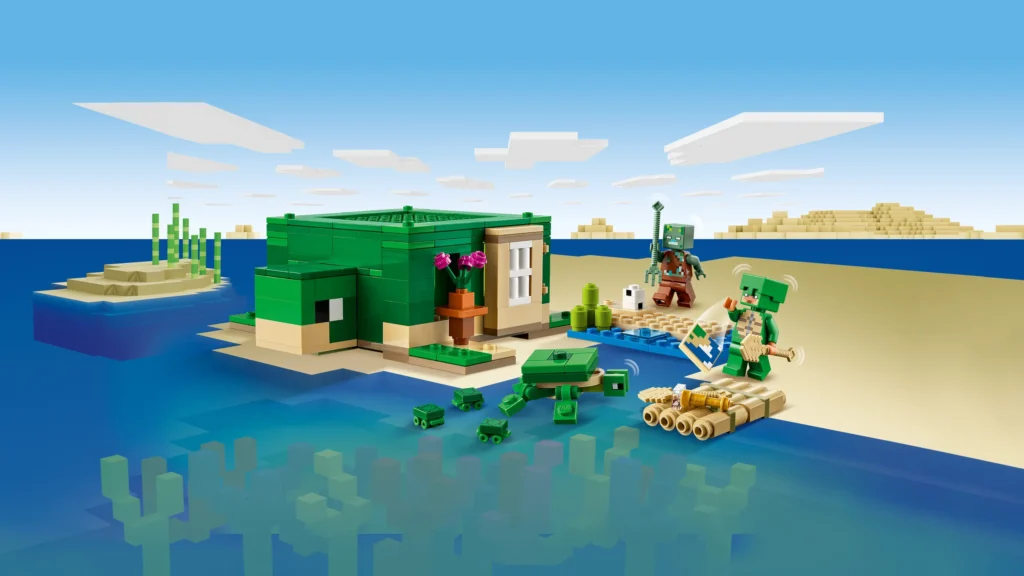
Development and Release: ‘Minecraft’, created by Markus “Notch” Persson, was released in 2011 by Mojang. Initially developed as a side project, ‘Minecraft’ quickly gained traction due to its unique sandbox gameplay, which allowed players to create and explore their own worlds using blocks. The game’s alpha version was released in 2009, and its popularity skyrocketed, leading to a full release two years later.
Gameplay and Innovation: ‘Minecraft’ offers a simple yet profoundly engaging premise: players can gather resources, build structures, and craft items in an open-ended world. The game’s creative mode allows for limitless building potential, while its survival mode adds elements of resource management and combat. This flexibility has made ‘Minecraft’ accessible and appealing to a broad audience, from casual gamers to serious creators.
Impact and Legacy: ‘Minecraft’ has sold over 200 million copies, making it one of the best-selling video games of all time. Its influence extends beyond gaming, impacting education and popular culture. Educators use ‘Minecraft’ as a teaching tool to promote creativity, problem-solving, and collaboration among students. The game’s success also paved the way for other indie developers, demonstrating that independent games could achieve mainstream success.
‘Among Us’: The Social Deduction Phenomenon
Development and Release: ‘Among Us’ was developed by InnerSloth and released in 2018. Despite its initial release, the game didn’t gain significant attention until 2020, when it became a viral hit during the COVID-19 pandemic. Streamers and influencers on platforms like Twitch and YouTube played a crucial role in its sudden surge in popularity.
Read also about: The Storytelling Revolution in Games: ‘The Last of Us’ Series.
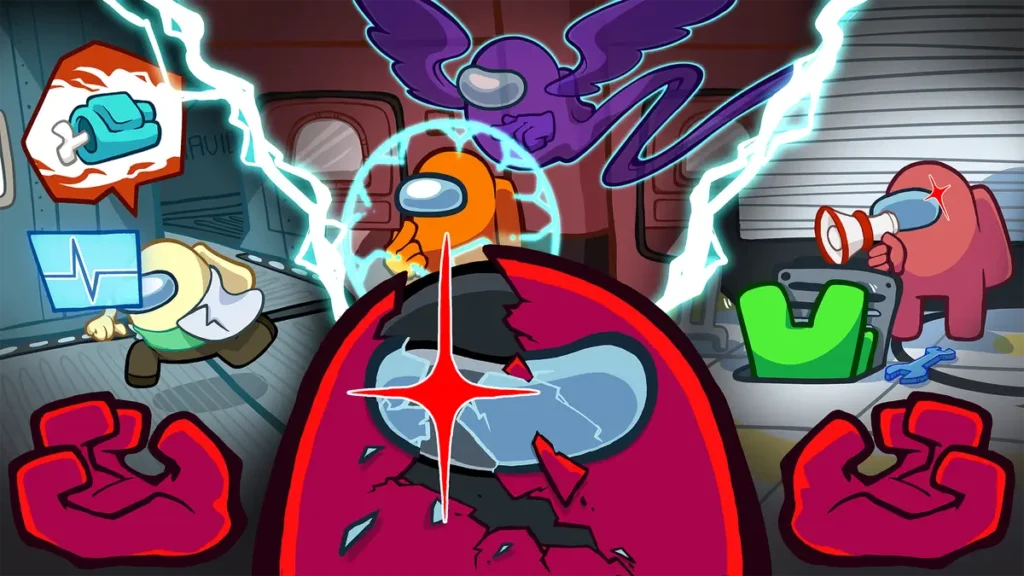
Gameplay and Innovation: ‘Among Us’ is a multiplayer social deduction game where players take on the roles of Crewmates or Impostors aboard a spaceship. Crewmates must complete tasks while Impostors attempt to sabotage their efforts and eliminate them. The game’s tension-filled discussions and voting rounds, where players must deduce the Impostors, create an engaging and social experience. The simplicity of its mechanics, combined with the complexity of human interaction, makes ‘Among Us’ incredibly addictive.
Impact and Legacy: ‘Among Us’ has become a cultural sensation, inspiring countless memes, fan art, and even a planned animated series. The game’s success highlights the importance of community and social interaction in gaming. It also underscores the potential for indie games to achieve overnight success through viral popularity and word-of-mouth.
Common Themes and Differences
Community-Driven Success: Both ‘Minecraft’ and ‘Among Us’ have benefited immensely from their communities. ‘Minecraft’ players have created vast amounts of user-generated content, including mods, custom maps, and servers, which have extended the game’s lifespan and engagement. Similarly, ‘Among Us’ thrives on the interactions between players, with its social dynamics driving its popularity.
Development and Marketing: ‘Minecraft’ and ‘Among Us’ also illustrate different paths to success. ‘Minecraft’ grew steadily over time, driven by word-of-mouth and community engagement. ‘Among Us’, on the other hand, experienced a sudden explosion in popularity thanks to the power of social media and streaming platforms. This contrast shows the diverse ways indie games can achieve success, whether through gradual growth or viral trends.
Influence on the Industry: The success of these games has influenced the broader gaming industry. Major publishers and developers now pay closer attention to indie games, recognizing their potential for innovation and commercial success. Platforms like Steam and the Nintendo eShop have become crucial for indie developers, providing a marketplace where unique and creative games can reach a global audience.

The Future of Indie Gaming
The breakthroughs of ‘Minecraft’ and ‘Among Us’ signify a bright future for indie gaming. With advances in technology and the increasing accessibility of game development tools, more independent developers have the opportunity to create and share their games. Crowdfunding platforms like Kickstarter and Patreon provide alternative funding sources, reducing financial barriers for indie projects.
Continued Innovation: Indie games are often at the forefront of innovation, experimenting with new gameplay mechanics, storytelling techniques, and artistic styles. This spirit of creativity ensures that indie games will continue to push the boundaries of what is possible in gaming.
Community and Collaboration: The success of ‘Minecraft’ and ‘Among Us’ also highlights the importance of community and collaboration in the indie game scene. Developers who engage with their communities and listen to player feedback can create more compelling and successful games. This symbiotic relationship between developers and players will remain a cornerstone of indie gaming.
Conclusion
‘Minecraft’ and ‘Among Us’ have shown that indie games can achieve extraordinary success and influence the gaming industry. Their stories are a testament to the power of creativity, community, and innovation. As the indie game scene continues to grow and evolve, these games will serve as inspirational benchmarks for future developers, proving that with the right combination of passion and perseverance, anything is possible in the world of gaming.